
Safe temperatures for storing and cooking chicken
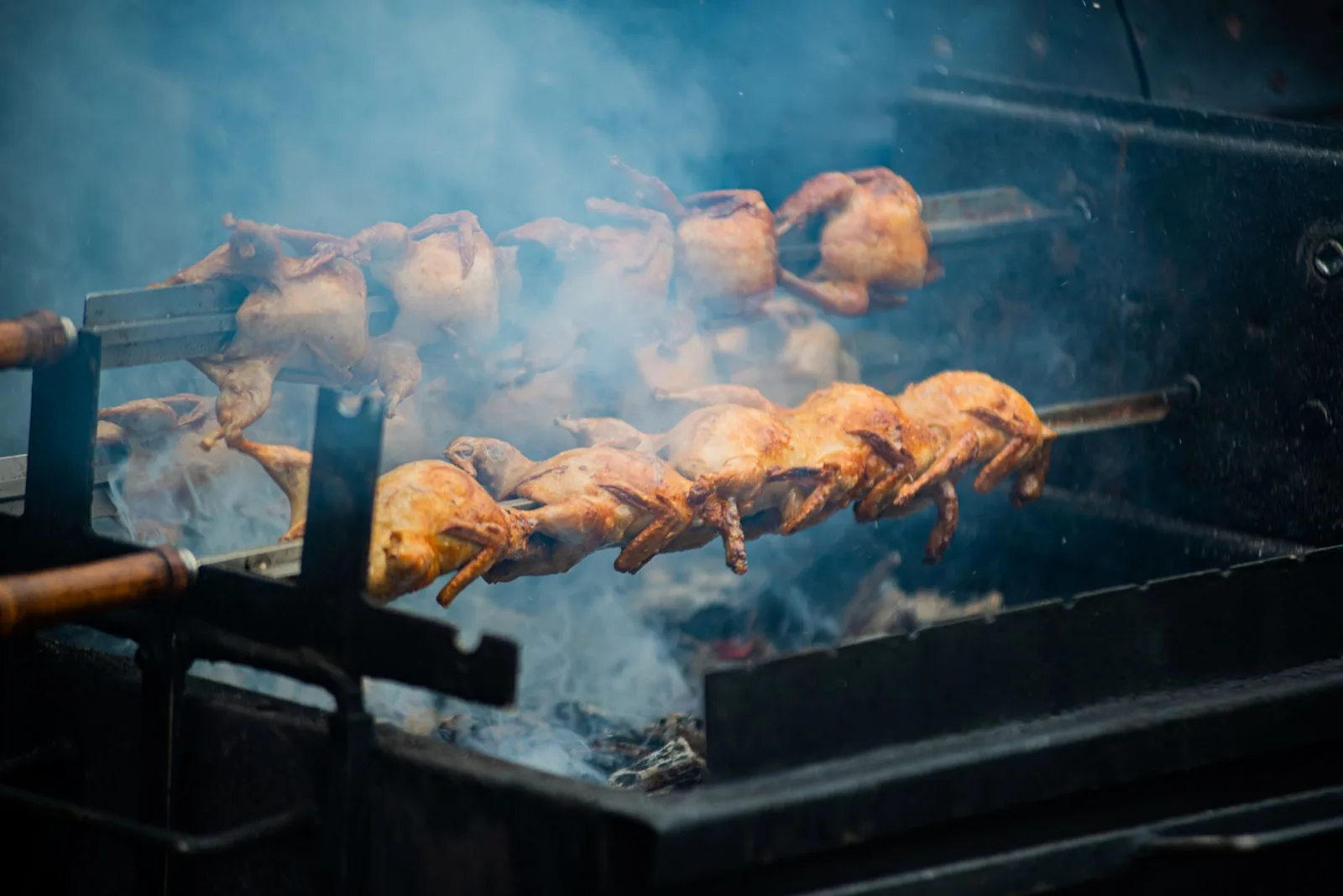
Chicken safety is a temperature story from beginning to end. From the moment it leaves the plant until it reaches the plate hot, a handful of numbers — if you know and apply them — protect your family or your customers from food poisoning. Dangerous bacteria such as Salmonella and Campylobacter can't be seen or smelled, and correct temperature is your only reliable weapon against them. This lesson gathers the reference numbers for storing and cooking chicken, where they come from, and how to measure them in practice.
The danger zone: where bacteria multiply
Food-poisoning bacteria grow fastest within a temperature range that food-safety authorities (such as the USDA and FoodSafety.gov) call the 'danger zone' — roughly between 4°C and 60°C. Inside this range bacterial numbers can double in just minutes. So every rule for storing and cooking chicken rests on one idea: keep chicken either colder than this range (chilling and freezing) or hotter than it (cooking and hot-holding), and minimise the time it spends in between.
Storage numbers: chilling and freezing
Before cooking, chicken belongs in the cold. These are the reference numbers to post in front of your team or in your kitchen:
- Chilled fresh chicken: 0 to 4°C, usually used within one to two days.
- Frozen chicken: −18°C or below, to preserve quality for long periods.
- Set your fridge to 4°C or lower, and rely on a thermometer, not on feel.
- Don't overpack the fridge; cold air needs room to circulate and keep the temperature even.
The two-hour rule (one hour in the heat)
Don't leave raw or cooked chicken in the danger zone for more than two hours in total. If the surrounding temperature is high — above 32°C, as in a Saudi summer — the window drops to just one hour. This rule, recommended by authorities such as the USDA, applies to receiving, prep and serving time combined, not to each stage on its own.
Tip: it's hot for most of the year here, so make one hour your practical ceiling for any chicken out of refrigeration, not two. The clock starts the moment the product leaves the cold, not the moment you notice it.
The safe cooking temperature: 74°C
The most important number in this lesson: the internal temperature of all chicken must reach 74°C (165°F) at the point cooking is complete — the threshold adopted by the U.S. food-safety agency (USDA/FSIS). At this temperature Salmonella, Campylobacter and other disease-causing microbes are killed. The rule applies equally to whole chicken, cuts and ground chicken.
And colour is not a reliable indicator. Chicken can look completely white inside without having reached the safe temperature, and can stay slightly pink despite having reached it. The only reliable gauge is a thermometer, not the eye. Many cooks take thighs a little higher (around 75–79°C) to break down tissue and improve texture, but that's a culinary choice, not a safety requirement.
How to measure internal temperature correctly
- Insert the thermometer into the thickest part of the meat: the centre of the breast, and the deepest point of the thigh and wing.
- Keep the probe tip away from bone, which conducts heat and reads higher than the true value.
- Wait for the number to settle before reading it, and confirm it reached 74°C or more.
- In large pieces, measure more than one point, as temperature can vary within a single piece.
- Clean and sanitise the probe between readings so it doesn't spread contamination.
After cooking: serving and safe cooling
Temperature protects chicken after cooking too. If it won't be served at once, hold it hot above 60°C, or cool it quickly if you'll store it. Warm leftovers left at room temperature are a common cause of household food poisoning.
- Hot serving: keep food above 60°C until the moment it's served.
- Rapid cooling: divide a large batch into small, shallow containers so it cools faster.
- Get leftovers into the fridge within two hours (one hour in the heat) of cooking.
- When reheating, bring the internal temperature back up to 74°C, and don't reheat more than once.
A summary to hang in the kitchen: chilled below 4°C, frozen below −18°C, cooked above 74°C, and never lingering between 4 and 60. Four numbers protect your entire table.