
Fresh vs frozen chicken: which should you choose?
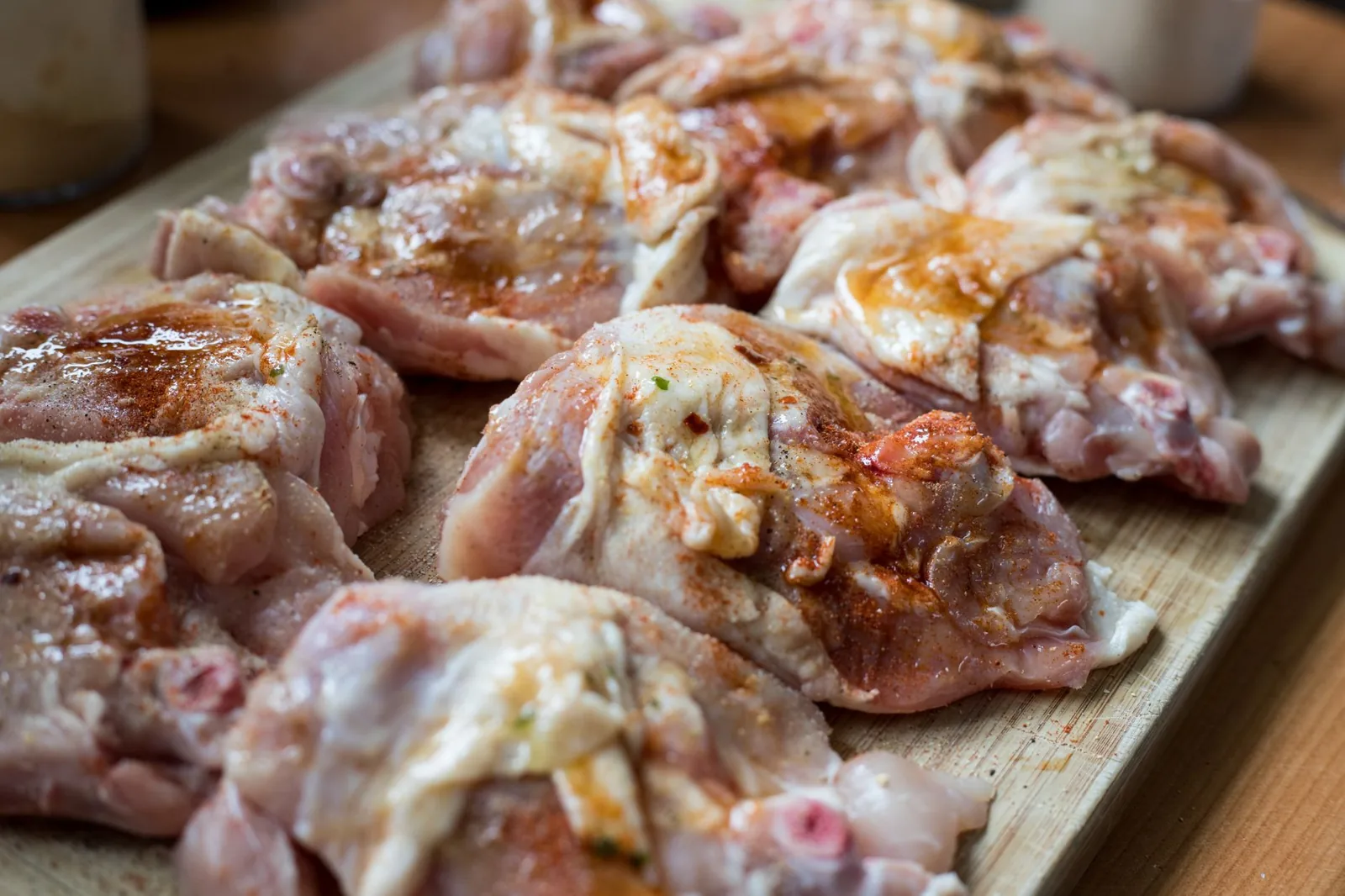
In front of the store fridge, the same question comes up: fresh or frozen? Many people assume fresh is always better, but the accurate answer is that neither is better outright — each suits a different need. This lesson separates what the evidence actually says about nutrition, safety and texture, when fresh is your choice and when frozen is smarter, and how to get the benefits of both.
Do they differ nutritionally?
This is the most misunderstood point. According to the U.S. Department of Agriculture (USDA), the freezing process itself does not destroy nutrients, and in meat and poultry products there is very little change in nutrient value during frozen storage. Protein and minerals such as iron and zinc, along with B vitamins, stay largely stable. In practice, fresh chicken and properly frozen chicken are nearly equal nutritionally, so the choice between them isn't a nutrition decision.
The real difference: shelf life and flexibility
If nutrition isn't the differentiator, what is? The clearest difference is shelf life and the planning flexibility it gives you:
- Fresh: keeps for one to two days in the fridge at 0–4°C, and has the best texture when cooked promptly.
- Frozen: stays safe for a long time at −18°C or below, giving you a flexible stock and less waste.
- The frozen quality window: for best texture and flavour, use whole chicken within one year and parts within nine months per the USDA (a quality window, not a safety limit).
- Planning and budget: frozen lets you buy in bulk and plan meals without worrying about fresh running out or spoiling.
Is frozen less safe?
No. Freezing doesn't kill bacteria — it only pauses them, and they become active again on thawing; even so, frozen chicken stays safe indefinitely at −18°C or below per the USDA. Safety comes from a correct cold chain, proper thawing and cooking to 74°C, not from whether the product is fresh or frozen. In fact, freezing at peak can lock in quality that fresh gradually loses over days of transport and display.
A pack frozen at the plant right after processing can reach you in better shape than 'fresh' chicken that spent days in transit and on display. True freshness is about the cold chain and time, not the label alone.
The effect on texture and taste
The one genuine edge for fresh is texture. Freezing forms ice crystals inside the meat; slow freezing (as in home freezers) forms large crystals that tear the muscle fibres, so they lose some moisture and can turn drier if mishandled. Fast commercial flash-freezing forms tiny crystals that keep the change to a minimum. The takeaway: the difference is mostly about texture, not nutrition or safety — and it's largely avoidable with correct thawing.
Correct thawing makes the difference
Most 'frozen is worse' experiences come from bad thawing, not the freezing itself. Follow this order:
- Best: thaw inside the fridge; it takes longer but is the safest and best for texture.
- Faster: under cold water in a sealed bag, changing the water every thirty minutes, then cook immediately (per the USDA).
- Microwave: for quick thawing when needed, provided the chicken is cooked right afterwards.
- Never thaw chicken on the counter at room temperature, and don't refreeze raw chicken once it has thawed.
Which should you choose? A practical guide
- Choose fresh if you'll cook it within one to two days and want the best possible texture.
- Choose frozen for storage, meal planning, less waste and steady availability.
- Both are excellent as long as you respect the cold chain, correct thawing and cooking to 74°C.
The best practical solution combines both advantages: buy fresh, cook what you need within two days, and freeze the rest yourself right away at home. That way you get in-the-moment freshness and the flexibility of frozen together.
The bottom line
The fresh-versus-frozen debate isn't about which is 'better,' but which fits your plan. Nutrition and safety are nearly equal when each is handled correctly, and the real differences are shelf life, flexibility and a small texture edge for genuinely fresh chicken. To learn the signs of freshness when buying and how to store chicken correctly at home, see the lessons 'How to choose fresh chicken' and 'Storing chicken correctly at home' in this series.