
The Saudi poultry sector and food security: a look at the market and production
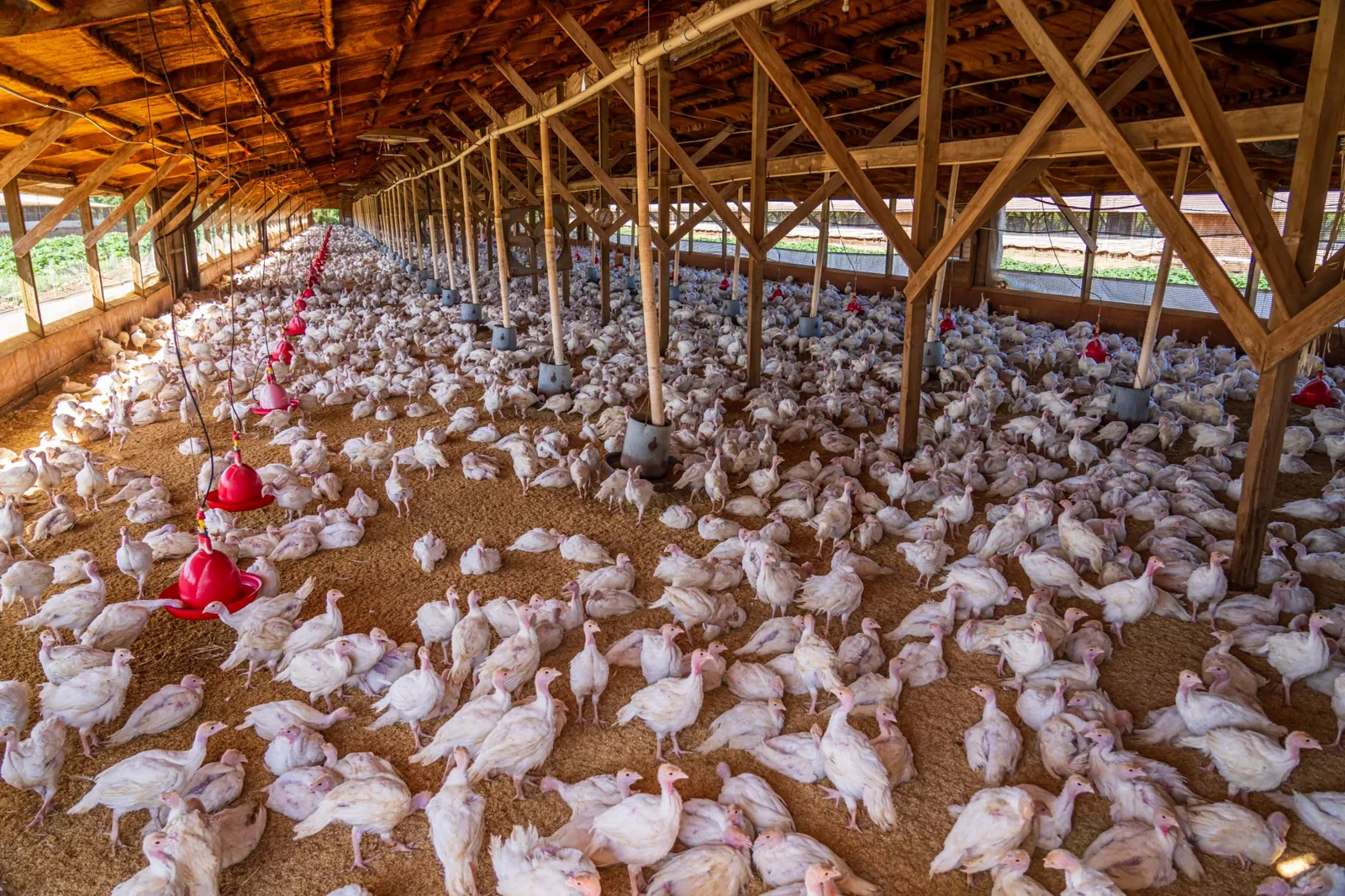
Chicken is the most present animal protein on the Saudi table, and behind every meal sits an entire industry that has shifted, within a few short years, from heavy import reliance to one of the Kingdom's most important pillars of food security. Understanding this sector is no longer a concern for investors alone; it matters to every restaurant owner buying chicken daily, and every family that wants to know where its food comes from. In this opening lesson of the poultry-industry series we take a broad look at the sector's size in official numbers, its journey toward self-sufficiency, and why it has become part of a national strategy.
Chicken's place in the Saudi diet
Chicken holds a special place in Saudi cooking; it is a relatively affordable protein, widely accepted, and appears in everyday dishes from kabsa to grills and fast food. This high, steady demand puts the Kingdom among the highest countries in the world for per-capita chicken consumption. And when a product is this central to the daily diet, ensuring its availability, price stability and quality becomes an issue that goes beyond the market to national food security.
The sector in numbers
Local production has grown remarkably in recent years. According to the General Authority for Statistics (GASTAT), the Kingdom produced about 1.3 million tons of broiler chicken in 2024, a 12.9% rise compared with 2023. This output is spread across the Kingdom's regions with a clear concentration in a few of them:
- Riyadh Region leads with about 360 thousand tons a year.
- Ha'il Region comes second with roughly 295 thousand tons.
- Qassim Region is third with about 200 thousand tons.
- Continued annual growth reflects new production capacity entering the sector.
From imports to self-sufficiency
These numbers did not exist a few years ago; the Kingdom relied heavily on importing poultry meat. According to the Ministry of Environment, Water and Agriculture (MEWA), the self-sufficiency rate for poultry meat rose from about 45% in 2016 to roughly 68% in 2022, within a declared national target of reaching 80%. This shift means a growing share of the chicken reaching the Kingdom's restaurants and tables is now locally produced, with a shorter cold chain and less distance between farm and plate.
Why poultry food security matters
Reliance on imports leaves food hostage to external factors: disruptions in global supply chains, volatile shipping prices, and health or political crises in countries of origin. Strong local production reduces these risks, gives greater stability in availability and price, and creates jobs and added value inside the Kingdom. That is why the poultry sector is classified among the strategic sectors of national food security, not merely an ordinary commercial activity.
What is driving the sector's growth
This growth did not happen by chance; it rested on organised support and investment. Among its main drivers:
- Large investment plans: the ministry announced investments of about SR17 billion (roughly $5 billion) to raise production capacity.
- Accessible financing: Agricultural Development Fund financing for poultry projects reaches up to 70% when advanced technologies are used.
- Vertical integration: the entry of major companies running the whole chain from farm to distribution, raising efficiency and quality.
- Localisation and technology: expansion in local production and the adoption of automation and modern solutions that lift productivity.
For restaurant owners and distributors: growth in local production is a practical opportunity, not a distant economic headline. Local product often reaches you through a shorter cold chain and less time between slaughter and delivery — which translates directly into freshness and supply consistency.
Vertical integration and quality
One pillar of the sector's development is vertical integration, where a single producer manages every production stage: breeding farms, feed mills, slaughterhouses, then chilling and distribution. This model gives greater control over quality, safety and the cold chain from start to finish, and makes compliance with standards such as Halal accreditation and hazard-analysis (HACCP) easier and more disciplined. We cover vertical integration and quality standards in more depth in later lessons of this series.
Challenges and opportunities
Despite this progress, the sector still faces real challenges, chief among them reliance on imported feed — which makes up the largest share of production cost and is exposed to global grain and shipping prices. But the overall direction is clear: rising investment, government support, and strong, stable local demand. This equation makes poultry one of the most promising food sectors for growth in the Kingdom, and keeps the goal of higher self-sufficiency a realistic target rather than a slogan.
This lesson is a broad overview of the sector; across the rest of the poultry-industry series we go deeper into production stages from farm to market, vertical integration, sustainability and bird welfare, and quality standards and accreditations. Knowing this big picture helps anyone working in food make more informed purchasing and sourcing decisions.