
Chicken cuts and their kitchen uses
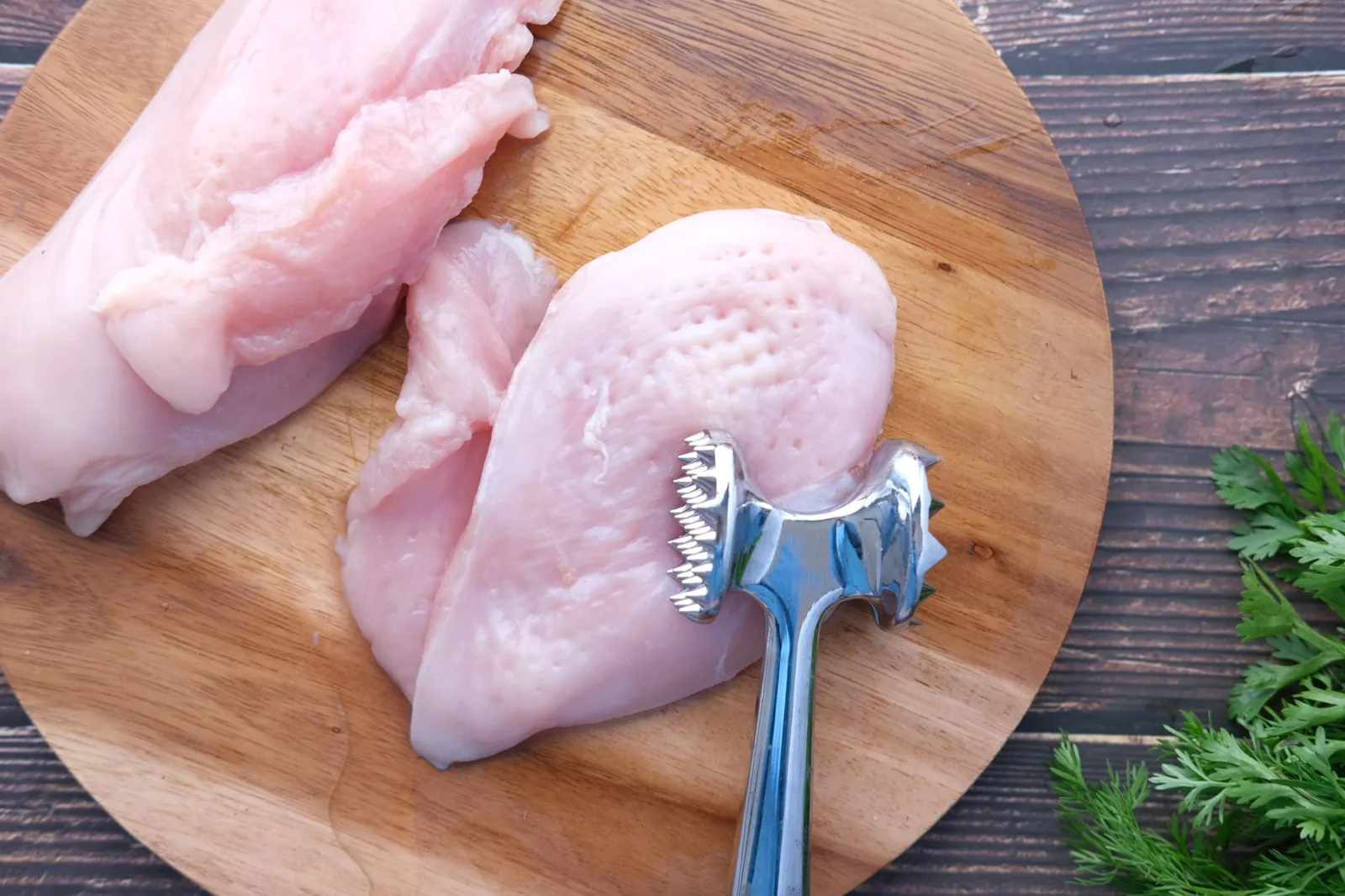
Choosing the right chicken cut is a daily decision that directly affects a dish's quality, its cost and the consistency of its taste. Every cut has a different structure, fat ratio and behaviour when cooked, and a kitchen that knows when to reach for the breast and when to use the thigh gets a better result at a lower cost. This lesson walks through the main chicken cuts, the difference between white and dark meat, and the best cooking method for each — with an eye on cost and yield.
White meat vs dark meat: the core difference
Chicken meat splits into two types: white and dark. White meat (breast and wings) comes from fast-twitch muscles used for short bursts, so it is leaner, milder and dries out faster when overcooked. Dark meat (thighs and drumsticks) comes from slow-twitch muscles that work for longer periods, so it holds more myoglobin and fat — giving it a darker colour, a richer flavour, more moisture and a greater tolerance for cooking without drying out.
- White meat: leaner and milder, dries quickly if overcooked, and suits fast cooking over high heat.
- Dark meat: higher in fat, moisture and flavour, more forgiving to cook, and suits slow or moist cooking.
- White is better when you want a light texture and high protein with less fat.
- Dark is better for rich dishes, sauces and long cooking that melts connective tissue and adds tenderness.
White-meat cuts and their uses
- Breast: the largest white-meat cut, lean and versatile; great for grilling, quick pan-searing, slicing and sandwiches — but it dries fast, so don't overcook it.
- Tenderloin: the small, tender strip under the breast, the most tender white-meat cut; ideal for chicken tenders and quick preparations.
- Wings: little meat but a concentrated flavour and more moisture than the breast; excellent for appetisers, grilling, frying and smoking with sauces.
Dark-meat cuts and their uses
- Thigh: richer in flavour and higher in moisture and fat than the breast, and forgiving to cook; excellent for grilling, frying and cooking in sauces and marinades — available bone-in or boneless.
- Drumstick: a juicy dark cut on the bone, economical and easy to cook; suits crispy frying, the oven and grilling.
- Whole leg (thigh plus drumstick): more flavourful thanks to the bone and fat, and needs longer; ideal for roasting, slow cooking and stews.
Whole chicken and other parts
- Whole chicken: the most cost-effective option, combining white and dark meat; suits whole roasting, rotisserie and making stock.
- Carcass and bones (back): little meat, but the basis of a flavourful stock; use them for chicken broth instead of discarding them.
- Ground chicken: flexible and low-cost; used in kofta, patties and fillings, and needs cooking all the way through.
A practical rule: thin white cuts (breast, tenderloin) love high heat and short times; dark cuts (thigh, drumstick, whole leg) give their best with medium heat and longer or moist cooking. Matching the cooking method to the cut matters more than the recipe itself.
How to choose the right cut for your dish
Before you lock a cut into the menu, tie your choice to the cooking method, the cost and portion consistency — not to price alone:
- Decide the cooking method first: fast over high heat, or slow and moist?
- Choose white meat for quick, light dishes and dark meat for rich dishes and long cooking.
- Balance cost and yield: dark cuts and whole chicken are usually cheaper and more forgiving.
- Standardise the cut size to keep portions identical and cooking time and cost stable.
- Tie the choice to your restaurant's target food-cost ratio.
From a cost angle: thighs and drumsticks are usually cheaper than breast and harder to ruin by overcooking, which makes them a smart choice for high-demand dishes and better margins. Always compare on the finished-portion cost, not the raw price per kilo (see the lesson on costing chicken dishes).
Safety across every cut
Whatever the cut, the food-safety rule is one: chicken must reach a safe internal temperature of 74°C (165°F) at its deepest point, away from the bone, to destroy bacteria such as Salmonella and Campylobacter — per the USDA's Food Safety and Inspection Service (USDA/FSIS). Dark and bone-in cuts may need longer to reach this temperature, so use a thermometer rather than relying on colour. (See the lesson on safe temperatures.)
Knowing your cuts isn't just a chef's detail; it's an operational tool: the right cut in the right dish raises quality, controls cost and makes the customer's experience consistent. Build your menu on matching each cut to its cooking method and its role in cost, and you'll run a more efficient, more profitable kitchen.