
Chicken production from farm to market
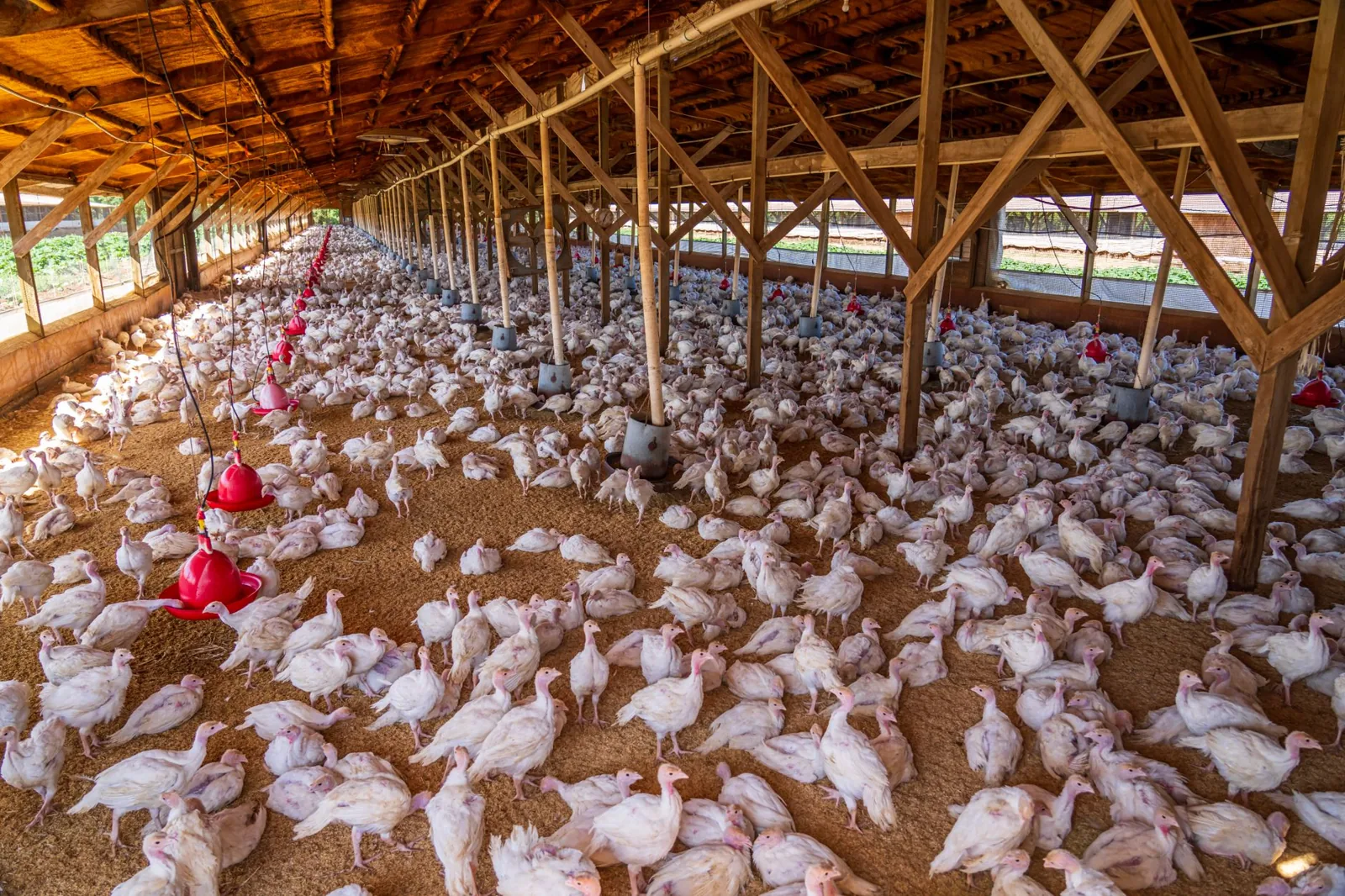
Behind every piece of chicken you buy is a journey that spans weeks and passes through several precise stages, from a fertilised egg on a breeder farm to a chilled product arriving on a store shelf or in a restaurant kitchen. Understanding this journey helps you appreciate what makes a chicken fresh and safe, and why quality differs from one supplier to another. In this lesson of the poultry-industry series we trace the full path step by step: breeder farms, the hatchery, grow-out farms, processing, then chilling and distribution.
The journey at a glance
Before the details, these are the five interconnected links chicken passes through from farm to market:
- Breeder farms: flocks raised to produce fertile eggs.
- Hatchery: incubating eggs until they hatch into day-old chicks.
- Grow-out farms: raising the chicks to market weight.
- Processing: halal slaughter, cleaning, portioning and packing.
- Cold chain and distribution: chilled transport to shops and restaurants.
1. Breeder farms: where the story begins
The chain begins a whole generation before the chicken you eat. On breeder farms, special parent flocks of broiler breeds such as Ross 308 and Cobb 500 are raised in temperature- and light-controlled housing until they mature — typically up to around twenty weeks — before the females begin producing fertilised eggs. These eggs are not for eating; they are sent to hatcheries to become the next generation of grow-out chicks. The health and quality of the breeder flock feed directly into the vitality of the chicks that follow.
2. The hatchery: from egg to chick
At the hatchery, fertilised eggs are placed in incubators that precisely control temperature, humidity and ventilation, and an egg needs about twenty-one days to hatch. A newly hatched chick is called a day-old chick, and it is usually given preventive vaccinations against diseases such as Newcastle before being moved quickly, in warm conditions, to a grow-out farm. Speed and safe conditions matter here, because in its first days a chick is highly sensitive to temperature and stress.
3. Grow-out farms: from chick to market weight
Here the chicks are raised in large, climate-controlled houses with clean feed and water around the clock and strict biosecurity — disinfection and controlled access — to protect the flock from disease. Modern broiler breeds usually reach a market weight of roughly two to two-and-a-half kilograms in about thirty-five to forty-two days, according to the published performance data for commercial strains such as Ross 308 and Cobb 500. How efficiently they are raised is measured by the feed conversion ratio — the amount of feed needed for each kilogram of weight gain — which is typically between 1.6 and 1.9.
- Starter feed: the first days — about the first ten — with a high-protein formula to build the frame.
- Grower feed: the middle phase until around day twenty-four, supporting rapid growth.
- Finisher feed: up to market weight, with a formula focused on efficient weight gain.
A common myth, corrected: chickens are not given hormones to grow fast. Hormone use in poultry production has been banned since the 1950s according to the U.S. Food and Drug Administration — which is why regulators require any no-hormones label to add a note that the rules already prohibit hormones in poultry. The rapid growth comes from decades of breed improvement, balanced nutrition and flock management, not hormones.
4. Processing and preparation
When they reach the target weight, the birds are moved carefully to the processing plant, where preparation begins with halal slaughter and then passes through cleaning, inspection, chilling, portioning, packing and labelling. This stage is run under health supervision and food-safety standards such as hazard analysis (HACCP), because any fault here passes straight to the final product. The goal is to turn a live bird into a clean, safe, precisely specified packed product in the shortest time and coldest conditions possible.
- Halal slaughter according to the religious requirements.
- De-feathering, cleaning and evisceration.
- Health inspection and removal of anything non-conforming.
- Rapid chilling to bring the meat's temperature down safely.
- Portioning, packing and coding with date and weight.
5. Cold chain and distribution: the last and most important link
After packing, the product enters the cold chain that keeps it safe until it reaches you. Fresh chicken is kept between zero and four degrees Celsius, and frozen at eighteen below zero or colder, transported in refrigerated trucks and containers to distribution centres and on to shops and restaurants. Every minute out of refrigeration at this stage shortens shelf life and raises risk, which is why local production is an advantage: a shorter distance between plant and plate means a shorter cold chain and fresher chicken.
Vertical integration: who runs the journey
In Saudi Arabia most production is concentrated in about ten large companies that operate a vertical-integration model — meaning they run every link of the journey under one roof: feed, breeder farms, hatcheries, grow-out farms, processing plants and distribution. This integration gives greater control over quality and full traceability of the product from farm to shelf, and makes maintaining the cold chain and halal standards more disciplined. We cover vertical integration in more depth in a dedicated lesson within this series.
Why this journey matters to you
Knowing these stages is not a theoretical luxury; it helps you in practice. A restaurant owner who understands the journey asks a supplier about source and chilling time, not price alone; a consumer who knows that freshness is tied to a short chain reads the date and checks how the product is displayed. The shorter the distance between farm and plate and the better the cold chain is kept, the fresher, safer and more consistent the product you get.
That completes a chicken's journey from an egg on a breeder farm to a product on your table in just a few weeks, thanks to a precise, interconnected production chain. Across the rest of this series we go deeper into vertical integration, sustainability and bird welfare, and quality standards and accreditations.