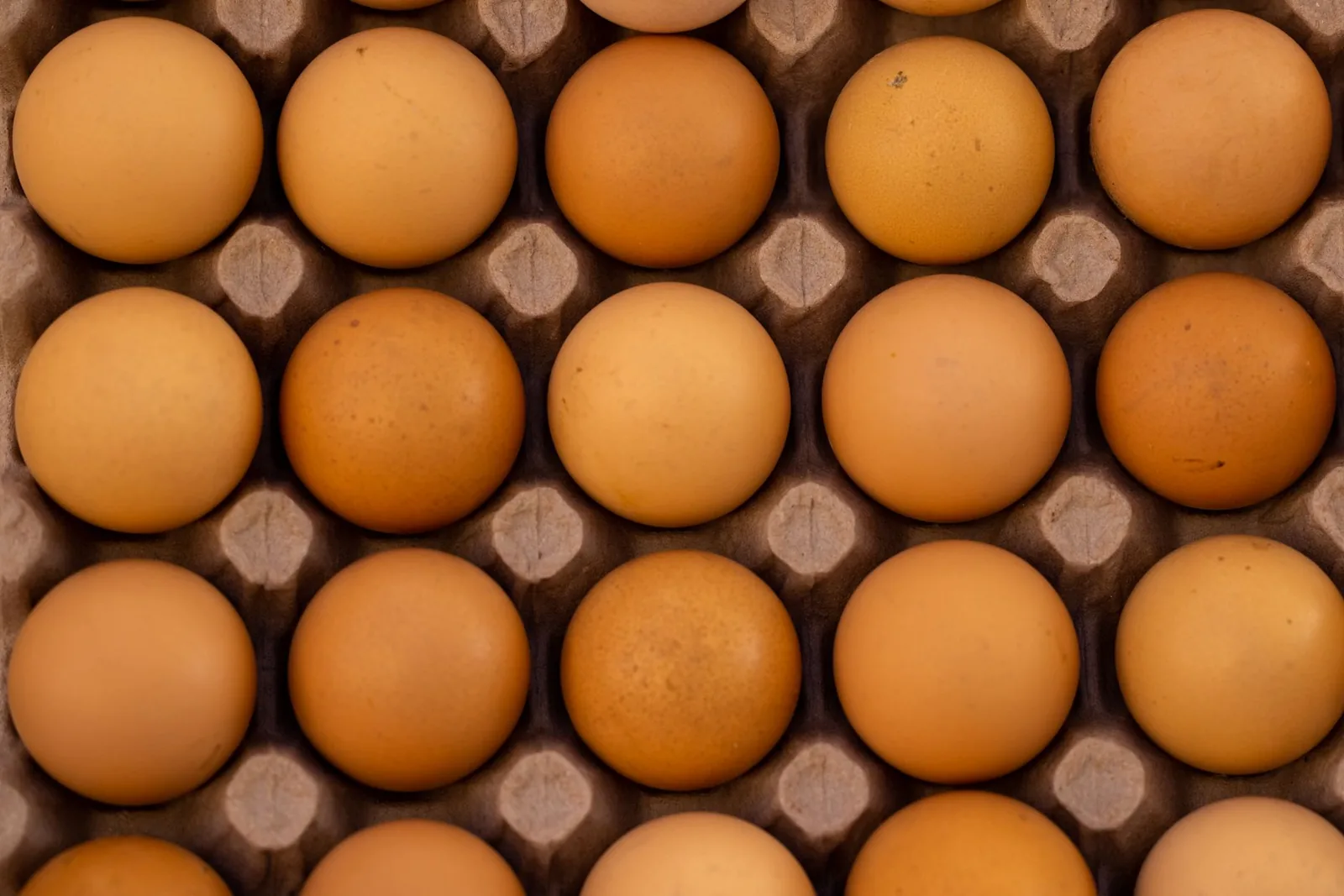
Chicken and eggs in a baby's food: when to start and how to serve them safely
As a baby approaches six months, the same questions come up in every household: can they have egg now or should we wait a year? Is chicken too heavy for their stomach? And should we delay egg so they do not develop an allergy? Most of the answers people pass around today come from an earlier generation, and some of them have genuinely been reversed in official guidance in recent years. This lesson brings together what the Saudi Ministry of Health, the World Health Organization and the American Academy of Pediatrics say, in one place, and turns it into practical kitchen steps. It is about nutrition and safety together, not diagnosis or treatment: any child with a particular medical situation belongs with their own doctor.
Why six months specifically#
The Saudi Ministry of Health puts the start of complementary feeding at about six months, the same age the World Health Organization builds its 2023 guideline for feeding children aged six to twenty-three months around. The reason is not the calendar but the nutrition: the iron stores a baby is born with are largely used up by then, and breast milk alone no longer covers their need for iron, zinc and vitamin B12. That is why the WHO states plainly that when animal-source foods are excluded from the diet of a six-to-eight-month-old, those nutrient needs cannot be met.
The WHO goes further with an explicit recommendation: animal-source foods, including meat, fish and eggs, should be eaten daily. That inverts an order many parents carry in their heads, where food starts with vegetables and fruit for months and meat and egg arrive late. Official guidance does not defer them at all — it treats them as among the most important things on the plate at this stage, because they are the densest sources of iron, zinc and protein available in a bowl that does not hold very much.
The age ladder as the Ministry of Health lays it out#
The Ministry sets out a clear progression by age, combining what the food is, how it is textured, and how many meals a day:
- At six months: two to three meals a day of mashed foods, and the Ministry's own list includes mashed egg alongside banana, potato, avocado and mashed cereal. Cow's milk may be used in cooking, but not as a drink.
- At nine months: three to four meals a day, now including sliced cooked egg, minced meat, cooked beans and banana slices.
- At twelve months: three to four meals plus two snacks, with whole eggs, soft cooked meat and fresh milk becoming part of ordinary eating.
The Ministry's advice is to start with very small amounts — a few pieces or teaspoons, no more. In the first weeks the aim is to teach the child food, not to fill them up on it; milk feeds remain their main source of nutrition at this stage.
The advice that reversed: early egg protects against allergy#
What pushes parents to delay egg most is fear of allergy — a fear the guidance itself encouraged some years ago. Then the direction changed completely. The American Academy of Pediatrics now says that egg and peanut should be introduced at around six months, and not before four months, specifically to prevent allergy to them, and that there is little evidence that delaying allergenic foods prevents allergy at all. The delay that was treated as a precaution is now the step that may raise the odds.
The exception the Academy names is explicit and worth catching: a child with severe, persistent eczema, or one who has already had an immediate allergic reaction to any food, should be seen by their paediatrician first to decide how and when these foods are introduced. That is not a call to postpone, but to arrange the step with a doctor — and in exactly these cases, a planned early introduction is often what is recommended.
The practical method is simple: offer one new food at a time, in a small amount, at a time of day when you can watch the child for a few hours, and not right before sleep. The Academy lists diarrhoea, rash or vomiting after a new food as the signs to stop and check with the paediatrician. If the trial passes without incident, the amount is increased gradually — and what matters most is that the food keeps appearing in the regular diet, rather than being offered once and then forgotten.
Serving egg safely#
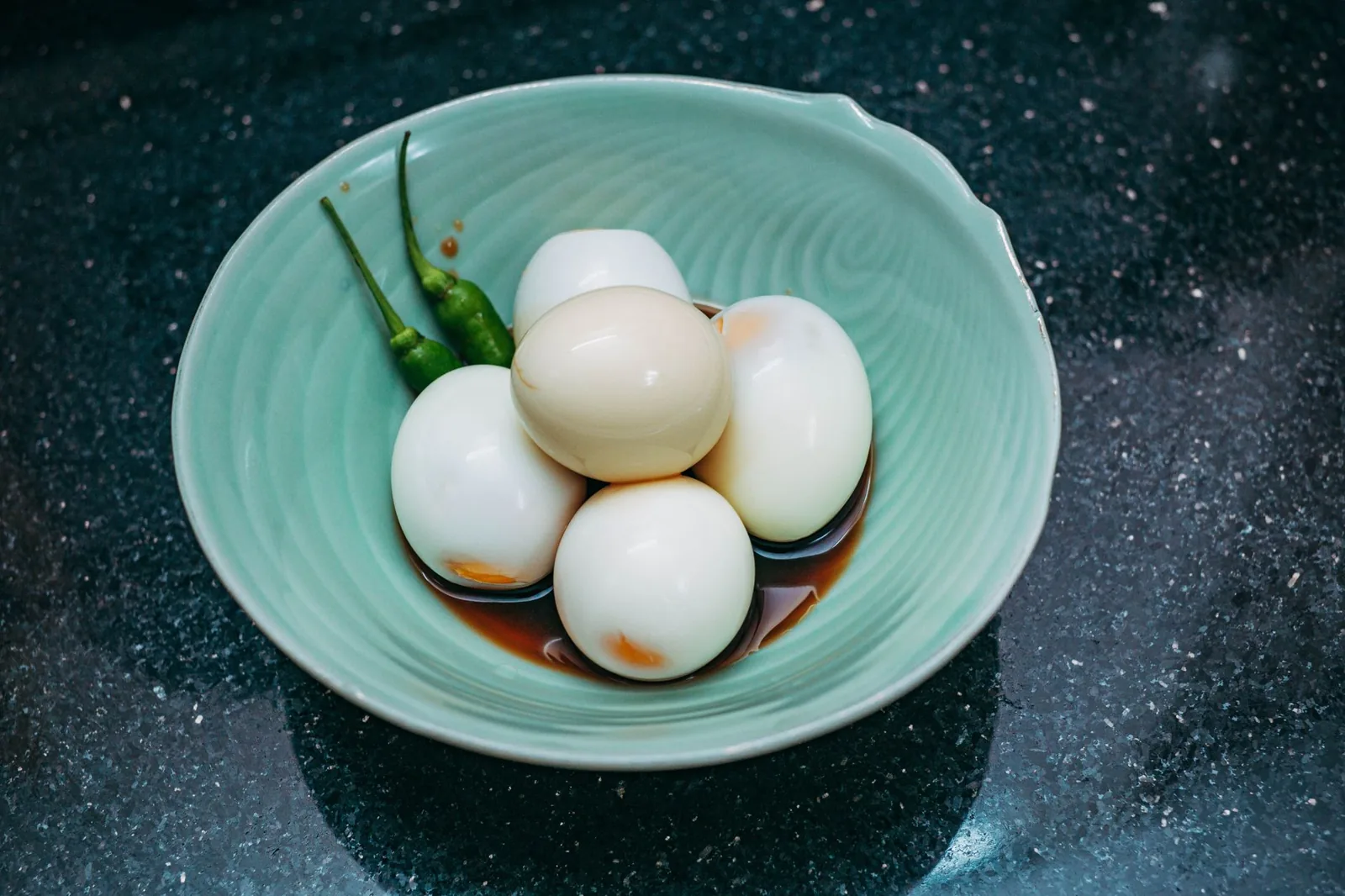
Egg in a baby's food means fully cooked egg, and nothing else. The AAP describes a starting portion as about a third of a well-cooked egg — scrambled or hard-boiled — which matches the Ministry's description of mashed egg at six months. The rule that does not bend here is that runny yolks and raw egg are entirely out at this age, and so is anything carrying uncooked egg such as home-made mayonnaise or raw dessert mixtures, because infants are at the front of the group in whom a Salmonella infection turns from a passing illness into a hospital matter.
Serving chicken safely#
Chicken is an excellent source of iron, zinc and protein at this age, and it needs less special treatment in the cooking than discipline in the texture and in what gets added to it. The safe cooking temperature does not change because the eater is a baby: 74 °C at the thickest point, with no pink tinge in the juices. The practical steps for taking a baby's portion out of the family pot:
- Cook the chicken exactly as you would for the family, but stop before the salt, the hot spices and the stock cubes go in.
- Pull the baby's portion out at that moment, and put the rest of the pot back on to finish seasoning for the adults.
- Take the skin, bone and cartilage off their portion completely, and run your fingers through the piece to be sure no small bone fragments remain.
- Mash or mince the meat finely at six months, then step the texture up to a coarser mince and then to small soft pieces as the months pass, following the Ministry's ladder.
- Moisten the portion with a little cooking water, breast milk or formula — dry meat is harder for a baby to swallow than it is to digest.
Mistakes that keep repeating in the kitchen#
Most of what does harm in a baby's food is not the meat or the egg itself but what travels with it. Four points are worth pausing on:
- Salt: the UK's National Health Service advises that a child under one should have less than one gram of salt a day, that no salt be added to their food or to the cooking water, and that stock cubes and ready-made sauces be avoided because they are usually high in salt. This is the point at which most home-made chicken portions fail.
- Honey: not before the first birthday, because it can carry bacteria that produce toxins in an infant's gut and cause infant botulism, a serious illness. Natural honey is not an exception, and neither is honey stirred into cooked food.
- Sugar and sweetened drinks: a baby does not need them, and avoiding them protects their teeth from decay and reduces the chance of excess weight later.
- Texture and choking: the Ministry warns against hard foods such as whole nuts and raw carrot or apple. The same principle applies to meat — a firm piece of chicken can be a choking hazard even when it is small, and the safe texture is one that crushes between two fingers.
The easiest way to guarantee salt-free baby food is to make it a fixed habit: the child's portion comes out of every pot before seasoning, rather than a separate dish being cooked for them. It saves time, it lets the child get used to the flavour of the household's own food, and it lowers the chance that someone forgets the rule on a busy day.
Storing and reheating#
A baby's portions are stored by the same rules as cooked chicken for anyone else, with extra strictness on two points. The shared rules: cool the portion and get it into the fridge at 4 °C or below within two hours of cooking — one hour in hot weather — and reheat until it is steaming all the way through, not just at the edges. The extra strictness is, first, that a portion is reheated once and no more, and second, that whatever is left in a bowl the child has eaten from is thrown away rather than returned to the fridge: saliva introduces mouth bacteria and turns it into a medium where things grow that refrigeration will not undo.
The lesson comes down to this: chicken and egg are not the last things to reach a baby's bowl but among the first that should, and the distance between the family's food and the child's is shorter than parents assume. It is one pot; the difference is that their portion leaves it before the salt, has the bones taken out, gets mashed to the right texture, and carries egg only when the egg is set. And if a child has severe eczema or has already reacted to a food, the first step is a conversation with their paediatrician — not a silent postponement of several months.
Frequently asked questions
Can egg or chicken start before six months?
The general reference point is six months, which is what the Saudi Ministry of Health sets and what the WHO guideline is built on. For allergenic foods specifically, the AAP puts a clear floor under it: around six months, and not before four. Starting earlier than that window is a doctor's decision for a specific situation, not a household judgement call, because readiness for solids is measured by sitting, head control and the ability to swallow — not by age alone.
My baby came out in a rash after their first spoon of egg — what do I do?
Stop offering the new food and see the paediatrician — that is exactly what the AAP directs when rash, diarrhoea or vomiting follows a new food. Do not retry it on your own before the doctor has assessed it. If it comes with swelling of the face or lips or any difficulty breathing, that is an emergency: call for medical help immediately rather than waiting for an appointment.
Yolk only, or the whole egg?
The Ministry's ladder is a progression in texture, not in which part of the egg: mashed egg at six months, sliced cooked egg at nine, whole egg at twelve. The AAP describes a starting portion as about a third of a well-cooked egg. Nothing in this guidance requires separating yolk from white — and the white is the part egg allergy centres on, which is what makes introducing it early and well-cooked part of the prevention rather than an added risk.
Is chicken stock or a stock cube good for a baby?
Stock cubes in particular are something the UK's NHS advises avoiding for under-ones, because they are usually high in salt and the recommended ceiling is under one gram of salt for the entire day. Home cooking water from unsalted chicken is fine, and is practically useful for moistening mashed meat — but it is water, and it does not replace the meat: the iron, zinc and protein are in the piece of chicken, not in its broth.